Hearty Homemade Beef Ramen Noodle Recipe
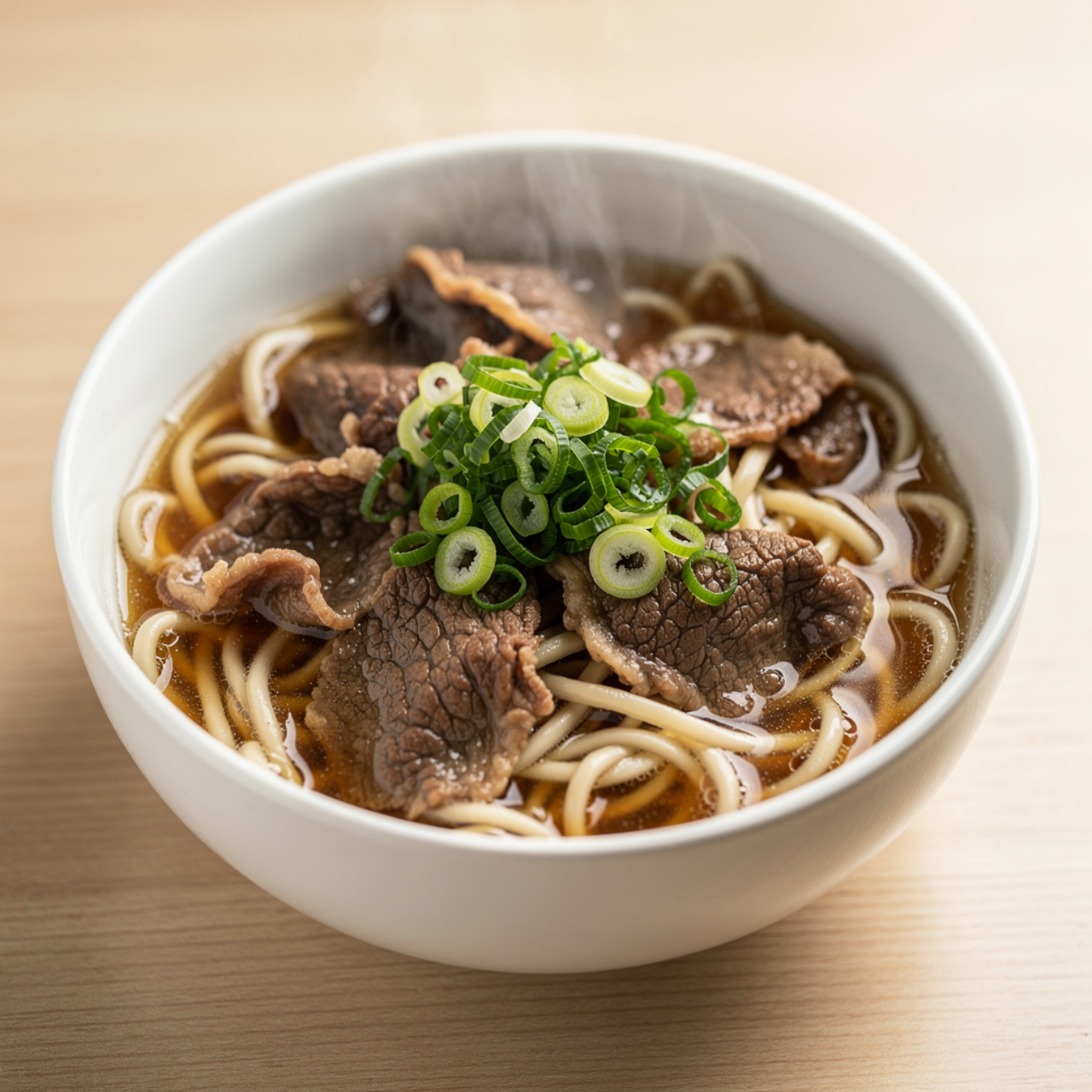
This rich, authentic beef ramen recipe delivers a deeply savory broth loaded with tender beef, springy noodles, and classic toppings that rival your favorite ramen shop.

The Bowl of Beef Ramen You Have Been Waiting to Make at Home
There is something almost magical about a proper bowl of beef ramen. The broth is deep, complex, and impossibly savory. The noodles are springy. The toppings are arranged just so. And yet most people assume it belongs only in a restaurant kitchen, far beyond what is possible at home on a Tuesday night.
This hearty homemade beef ramen recipe is here to change that. It is a traditional beef ramen recipe in spirit, built on a rich, slow-simmered broth with tender shredded beef, soft-boiled eggs, and all the classic toppings you love. Yes, it takes a little time. But the process is relaxed, deeply satisfying, and every single step is completely approachable for a home cook.
Whether you are exploring authentic beef ramen recipes for the first time or looking to level up your weeknight Asian beef ramen game, this is the one to bookmark.
Why This Recipe Works
Most quick ramen shortcuts cut corners on the one thing that matters most: the broth. This recipe does not do that. Instead, it builds flavor in layers:
- Blanching the bones removes impurities and keeps the broth clean and clear
- Searing the beef adds a savory depth that a plain simmer simply cannot replicate
- Miso and sesame oil are stirred in off the heat at the very end, preserving their brightness and complexity
- Gochujang is optional, but a single tablespoon transforms this into a subtly spicy, lightly smoky bowl that leans toward a birria ramen recipe vibe without requiring a full birria braise
The result is a broth that tastes like it has been going for hours, because it has. And every minute is worth it.
Getting the right tools and quality pantry staples makes a real difference when you are making homemade ramen with beef. A heavy-bottomed Dutch oven holds steady heat for a clean simmer, and fresh ramen noodles will outperform dried ones every single time.
Choosing the Right Beef
For a truly hearty beef ramen recipe, you want a cut that can handle a long, slow braise without drying out. Here are the best options:
- Beef short ribs (bone-in): The gold standard. The bones enrich the broth directly while the meat becomes silky and tender.
- Chuck roast: Widely available and budget-friendly. It shreds beautifully after 75 minutes of simmering.
- Brisket: A great option for a traditional beef ramen recipe with more of a Korean or Japanese BBQ influence.
- Oxtail: For an extra-rich, gelatinous broth that coats the back of a spoon.
Chef's Tip: If you want an easy birria ramen recipe, use birria-braised beef as your protein and stir a splash of birria consomme directly into the ramen broth before serving. It is a stunning fusion that works.
The Secret to a Great Ramen Broth
If you have ever wondered how to make beef ramen at home that actually tastes like a real ramen shop, the answer is patience and layering. Here is what most recipes skip:
- Always blanch your bones first. That initial boil draws out blood and impurities, leaving you with a cleaner, lighter-colored broth that tastes pure rather than muddy.
- Skim the broth during the first 10 minutes of simmering. Foam will rise. Remove it. This is the difference between a cloudy broth and a gorgeous, translucent one.
- Do not boil after adding miso. White miso is delicate. High heat kills its nuance. Stir it in over low heat right before serving.
This Asian beef ramen recipe also uses mirin for a gentle sweetness and soy sauce for that deeply savory backbone. The finishing touch of toasted sesame oil is non-negotiable.
Chef's Tip: The broth can be made up to three days ahead. It actually improves overnight as the flavors meld. Refrigerate it and skim the solidified fat layer before reheating for an even cleaner result.
Toppings That Make It Complete
This is where yummy food ramen becomes truly great ramen. Do not skip the toppings. They add texture, contrast, and visual beauty to every bowl:
- Soft-boiled egg with a jammy, golden yolk
- Sauteed shiitake mushrooms with caramelized edges
- Baby bok choy blanched until just tender and vivid green
- Nori for a briny, oceanic note
- Toasted sesame seeds and sliced green onions for freshness and crunch
Set up your toppings before you assemble so everything lands in the bowl warm.
Ready to build your bowl? Here is the complete step-by-step recipe:
Hearty Homemade Beef Ramen Noodle Recipe
This rich, authentic beef ramen recipe delivers a deeply savory broth loaded with tender beef, springy noodles, and classic toppings that rival your favorite ramen shop.
Ingredients
- 1 1/2 lb beef short ribs or chuck roast, bone-in preferred for richer broth
- 1 lb beef bones, knuckle or marrow bones, rinsed
- 12 oz ramen noodles, fresh or dried; cook per package instructions
- 6 cups low-sodium beef broth, store-bought or homemade
- 4 cups water
- 3 tbsp soy sauce, low-sodium recommended
- 2 tbsp mirin
- 1 tbsp sesame oil, toasted, for finishing
- 1 tbsp gochujang or chili paste, optional, for heat
- 6 garlic cloves, smashed
- 2 inch fresh ginger, sliced into coins
- 4 green onions, whites smashed for broth, greens sliced for topping
- 4 large eggs, soft-boiled and halved
- 2 baby bok choy, halved lengthwise, blanched
- 1 cup shiitake mushrooms, sliced, stems removed
- 4 nori sheets, cut into rectangles for topping
- 1 tbsp neutral oil, vegetable or avocado oil
- 2 tbsp white miso paste, stirred in at the end, do not boil after adding
- 1 tbsp sesame seeds, toasted, for garnish
Instruction
Blanch the beef bones: Place bones in a large pot, cover with cold water, and bring to a boil over high heat. Boil for 5 minutes, then drain and rinse the bones thoroughly under cold water. Wipe the pot clean.
Sear the beef: Heat neutral oil in the same large pot over medium-high heat. Pat the beef short ribs or chuck dry and season lightly with salt. Sear on all sides until deeply browned, about 3 to 4 minutes per side. Remove and set aside.
Build the aromatics: In the same pot, add the smashed garlic, ginger coins, and green onion whites. Cook over medium heat for 2 minutes, stirring often, until fragrant.
Simmer the broth: Return the blanched bones and seared beef to the pot. Add the beef broth, water, soy sauce, and mirin. Bring to a boil, then reduce to a gentle simmer. Skim off any foam that rises during the first 10 minutes. Simmer uncovered for 60 to 75 minutes, until the beef is completely tender and the broth is rich and deeply flavored.
Soft-boil the eggs: While the broth simmers, bring a small saucepan of water to a rolling boil. Gently lower the eggs in and cook for exactly 6 minutes and 30 seconds. Transfer immediately to an ice bath for 5 minutes, then peel and set aside.
Cook the mushrooms: In a small skillet over medium-high heat, saute the sliced shiitake mushrooms with a drizzle of oil and a pinch of salt for 3 to 4 minutes until golden. Set aside.
Blanch the bok choy: Drop the halved bok choy into boiling salted water for 60 to 90 seconds until just tender and bright green. Drain and set aside.
Finish the broth: Remove the beef from the pot and shred or slice against the grain. Discard the bones, ginger, and green onion whites by straining the broth through a fine mesh sieve back into the pot. Reduce heat to low. Whisk in the white miso paste and sesame oil. Stir in gochujang if using. Taste and adjust with more soy sauce or a pinch of salt as needed. Do not boil the broth after adding the miso.
Cook the noodles: Cook ramen noodles according to package directions in a separate pot. Drain well and divide evenly among four large bowls.
Assemble and serve: Ladle the hot broth generously over the noodles in each bowl. Arrange the sliced beef, soft-boiled egg halves, bok choy, mushrooms, and nori alongside the noodles. Top with sliced green onion greens, toasted sesame seeds, and a final drizzle of sesame oil. Serve immediately.
Equipment
- Large heavy-bottomed pot or Dutch oven
- Fine mesh sieve or strainer
- Small skillet
- Medium saucepan (for eggs)
- Large bowl (ice bath)
- Tongs
- Ladle
- 4 large ramen or soup bowls
Notes
Serving, Storing, and Variations
Serving: Serve immediately after assembling. Ramen waits for no one. The noodles begin absorbing the broth within minutes, so gather your people before you ladle.
Storing: Keep the broth, beef, noodles, and toppings in separate airtight containers in the refrigerator for up to 3 days. Reheat the broth gently on the stovetop and cook fresh noodles when possible.
Variations to try:
- Spicy beef ramen: Double the gochujang and add a drizzle of chili crisp on top
- Birria ramen recipe easy version: Use leftover birria beef and consomme as your base protein and broth starter
- Lighter weeknight version: Use store-bought beef broth as your base and add aromatics plus miso for a 30-minute shortcut that still delivers serious flavor
However you build your bowl, this homemade ramen beef recipe proves that the best ramen in your city might just be the one you make yourself.