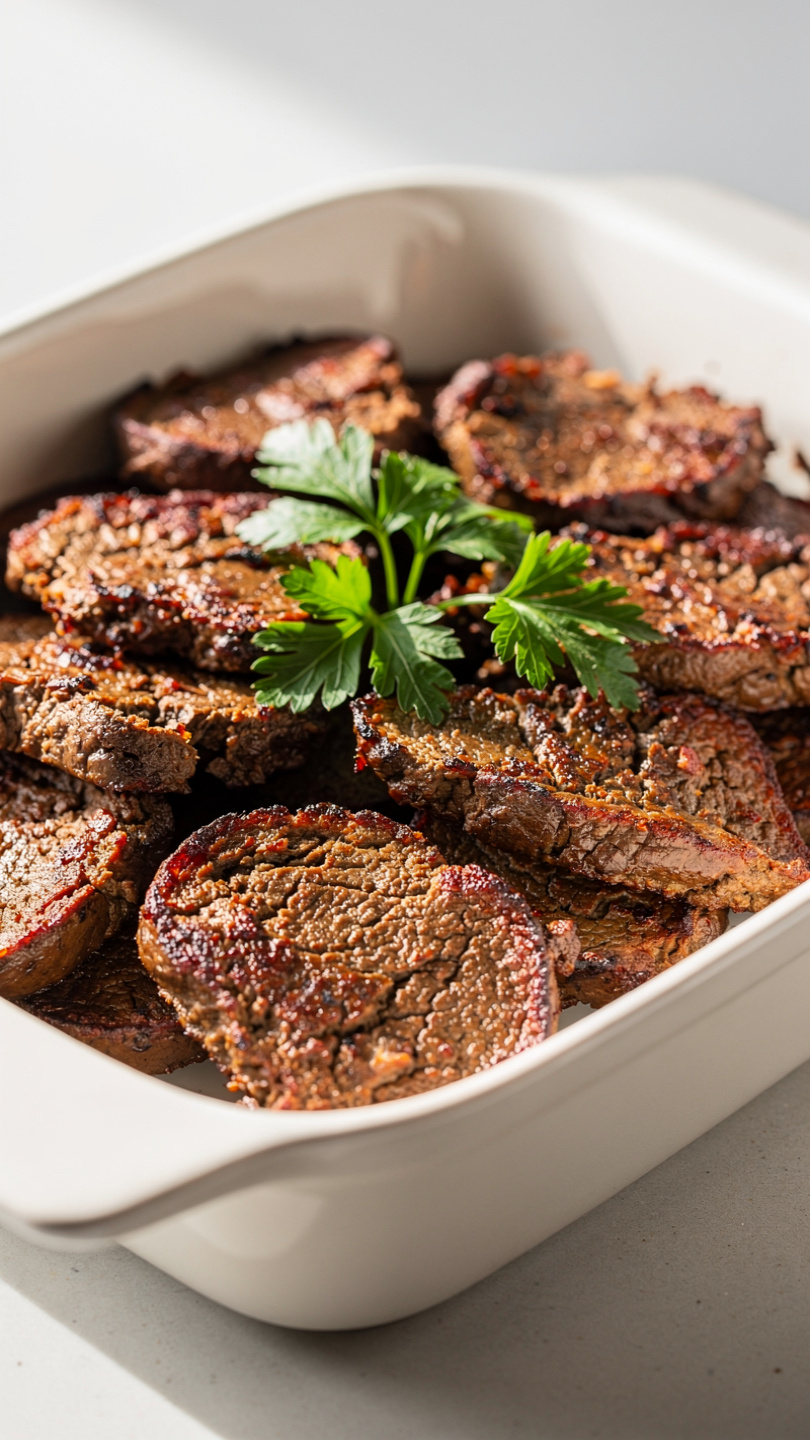
The Absolute Best Beef Liver and Onions Recipe
This classic beef liver and onions recipe transforms a humble organ meat into a deeply savory, tender dish that even skeptics will love. Learn exactly how to prepare and cook beef liver for the most flavorful, melt-in-your-mouth result every time.

Why This Is the Absolute Best Liver and Onions You Will Ever Make
If you grew up turning your nose up at a bowl of cooked liver on the dinner table, you are not alone. Beef liver has a reputation that far outpaces its actual flavor when it is cooked correctly. The problem is almost never the liver itself. It is the technique. Overcooked, under-seasoned, and skipped steps have given this nutrient-dense organ meat an unfair legacy for decades. This recipe fixes all of that.
This is the kind of dish that converts skeptics. It is savory, deeply satisfying, and rich in a way that no ordinary cut of beef quite matches. Once you understand how to prepare and cook beef liver properly, it moves from a dreaded chore to one of the most rewarding weeknight meals in your rotation.
The Case for Eating Beef Liver
Beyond the taste, eating beef liver is one of the most nutritionally dense choices you can make. A single serving delivers more vitamin B12 than almost any other food on the planet, along with hefty doses of iron, folate, copper, and high-quality protein. It is a staple in many organ meat recipes across dozens of culinary traditions, from French bistros to Southern American home kitchens, and for good reason.
If you are exploring beef organs more broadly, liver is the perfect entry point. The flavor is bold but not as funky as kidney or heart, and the texture is silky when cooked right. Think of it as a gateway into a whole world of nose-to-tail cooking that is both economical and nutritious.
What Makes This Method Work
There are three things that separate a forgettable plate of liver from the absolute best liver and onions you have ever had.
- The milk soak. Submerging the liver slices in whole milk for at least 30 minutes before cooking is the single most important step. The milk pulls out bitter compounds and softens the metallic edge that makes some people wary of organ meat recipes in the first place.
- The caramelized onions. Do not rush this step. Low, slow cooking transforms sharp raw onions into something sweet, jammy, and complex. They are not just a side note here. They are half the dish.
- High heat and a short cook time. Liver that is cooked too long becomes grainy and unpleasant. A screaming hot pan and two to three minutes per side gives you a beautifully seared exterior with an interior that is just barely pink, tender, and juicy.
Chef's Tip: If this is your first time cooking liver and onions, consider starting with calf's liver rather than full-grown beef liver. Knowing how to cook calf's liver and onions is essentially the same skill, but the flavor is noticeably milder and the texture is more forgiving for beginners.
Tools and Ingredients That Genuinely Matter Here
Cooking liver well is all about heat control and timing, and your pan matters more than you might think. A heavy cast iron skillet or a thick stainless steel pan holds heat evenly and gives you the sear you need without burning the fond.
How to Prepare Beef Liver Before It Hits the Pan
Preparation is where most home cooks either set themselves up for success or sabotage the whole dish. Here is exactly what to do:
- Trim the membrane and sinew. Using a sharp knife, peel away any tough outer membrane and cut out any visible white connective tissue. These parts turn rubbery when cooked and contribute to an unpleasant texture.
- Slice evenly. Aim for slices about half an inch thick. Thinner cuts cook too fast and dry out. Thicker ones risk an undercooked center by the time the outside is properly browned.
- Soak in milk. Cover the slices completely and refrigerate for a minimum of 30 minutes. Up to 2 hours is even better.
- Dry thoroughly. This step is often skipped and never should be. Patting the slices completely dry with paper towels is what allows the flour dredge to stick and the exterior to brown rather than steam.
Note: If you are working with elk liver from a recent hunt, the same method applies directly. Wild liver can have an even more pronounced flavor, so lean toward the full 2-hour soak.
Serving Suggestions
This dish is rich and savory on its own, so it pairs beautifully with something simple and starchy to absorb the pan sauce. Consider:
- Creamy mashed potatoes for a classic comfort food combination
- Buttered egg noodles tossed with a little parsley
- Crusty sourdough bread to soak up every bit of those caramelized onions
- Steamed green beans or roasted asparagus for a lighter, more balanced plate
A splash of hot sauce on the side is never a bad idea either, especially if you are serving guests who are new to the world of eating beef liver.
Ready to give it a proper try? Here is the full step-by-step recipe:
The Absolute Best Beef Liver and Onions Recipe
This classic beef liver and onions recipe transforms a humble organ meat into a deeply savory, tender dish that even skeptics will love. Learn exactly how to prepare and cook beef liver for the most flavorful, melt-in-your-mouth result every time.
Ingredients
- 1 1/2 lb beef liver, sliced about 0.5 inch thick, membrane and sinew trimmed
- 1 cup whole milk, for soaking
- 2 large yellow onions, thinly sliced into half-moons
- 3 tbsp unsalted butter, divided
- 2 tbsp olive oil, divided
- 1/2 cup all-purpose flour, for dredging
- 3 garlic cloves, minced
- 1/2 cup beef broth, low sodium
- 1 tbsp Worcestershire sauce
- 1 tsp fresh thyme, leaves only, or 0.5 tsp dried
- 1 tsp kosher salt, plus more to taste
- 1/2 tsp black pepper, freshly ground
- 2 tbsp fresh flat-leaf parsley, chopped, for garnish
Instruction
Place the sliced beef liver in a shallow dish and pour the milk over the top. Make sure the slices are fully submerged or nearly so. Cover and refrigerate for at least 30 minutes, or up to 2 hours. This step is essential for drawing out bitterness and producing a milder, more tender result.
While the liver soaks, melt 2 tablespoons of butter with 1 tablespoon of olive oil in a large, heavy skillet over medium-low heat. Add the sliced onions and a pinch of salt. Cook low and slow, stirring occasionally, for 18 to 22 minutes until deeply golden and caramelized. Add the garlic in the last 2 minutes, stir, then transfer the onions to a plate and set aside.
Remove the liver from the milk and pat each slice completely dry with paper towels. Season generously with salt and pepper on both sides. Spread the flour on a shallow plate and dredge each slice lightly, shaking off any excess.
Increase the heat to medium-high. Add the remaining 1 tablespoon of butter and 1 tablespoon of olive oil to the same skillet. Once the butter is foaming and the pan is very hot, add the liver slices in a single layer. Do not crowd the pan. Cook for 2 to 3 minutes per side until browned on the outside but still slightly pink in the center. Overcooking makes liver tough and grainy, so work quickly.
Transfer the cooked liver to a warm plate and tent loosely with foil. Reduce the heat to medium and pour in the beef broth and Worcestershire sauce, scraping up any browned bits from the bottom of the pan. Let it bubble for 1 to 2 minutes to reduce slightly.
Return the caramelized onions to the skillet and stir to combine with the pan sauce. Add the fresh thyme and taste for seasoning.
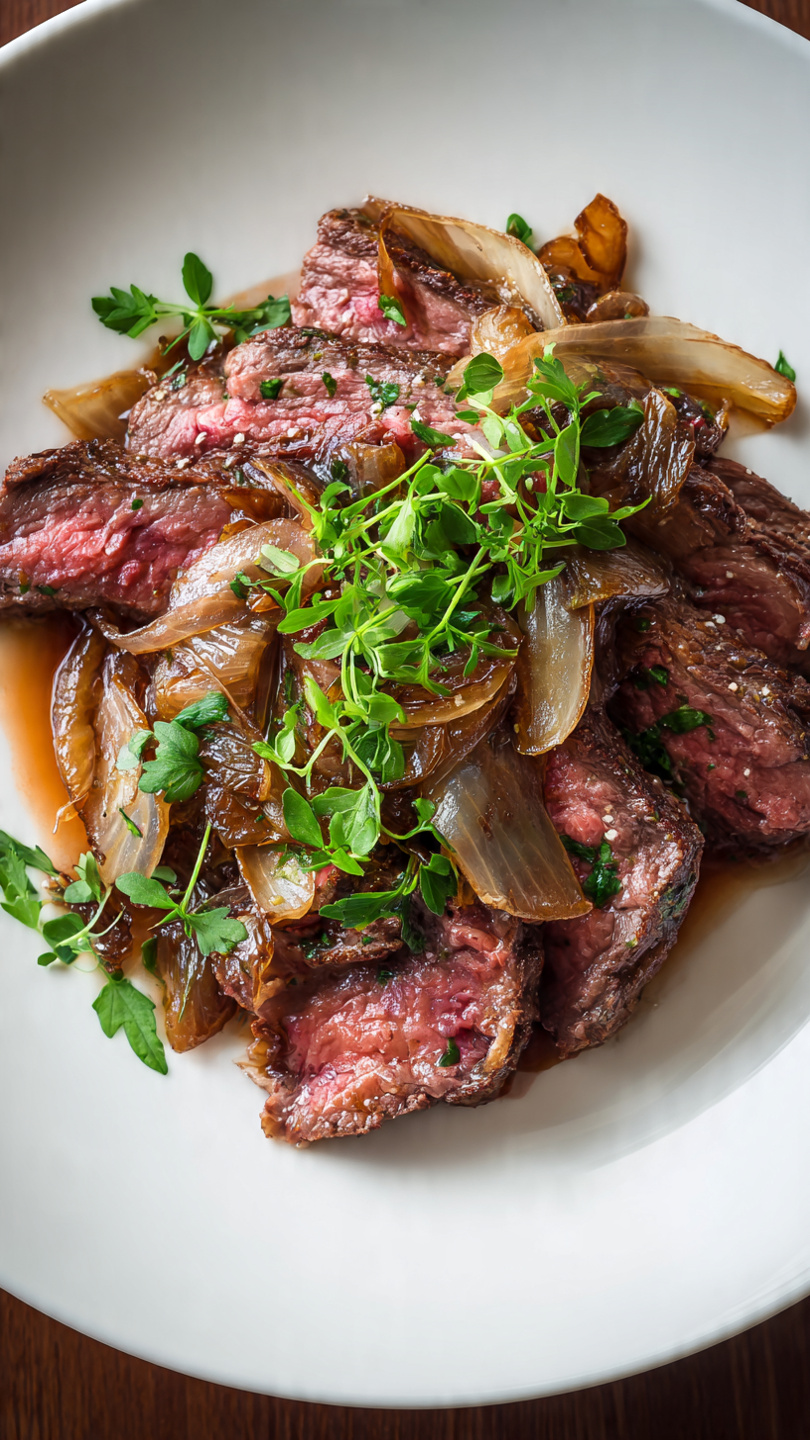
Nestle the liver slices back into the pan with the onions just long enough to warm through, about 30 seconds. Plate immediately and garnish with freshly chopped parsley. Serve hot.
Equipment
- Large heavy skillet or cast iron pan
- Shallow dish for soaking
- Shallow plate for dredging
- Tongs
- Paper towels
- Sharp chef's knife
- Cutting board
Notes
Storing and Reheating
Leftover liver and onions keeps well in the refrigerator for up to 2 days in a sealed container. When reheating, add a small splash of beef broth to the pan, cover with a lid, and warm over low heat just until heated through. Avoid the microwave if possible, as it tends to tighten the texture quickly.
One thing worth noting: beef liver does not freeze well once cooked. The texture becomes grainy and watery after thawing. If you want to prep ahead, the caramelized onions can be made up to 3 days in advance and stored separately in the fridge, which cuts your active cooking time significantly on the day you plan to serve.
Whether you are a longtime organ meat enthusiast or someone giving beef liver a genuine first try, this recipe is the one that makes it click. Once you nail the technique, you will understand exactly why generations of home cooks kept coming back to this humble, extraordinary ingredient.