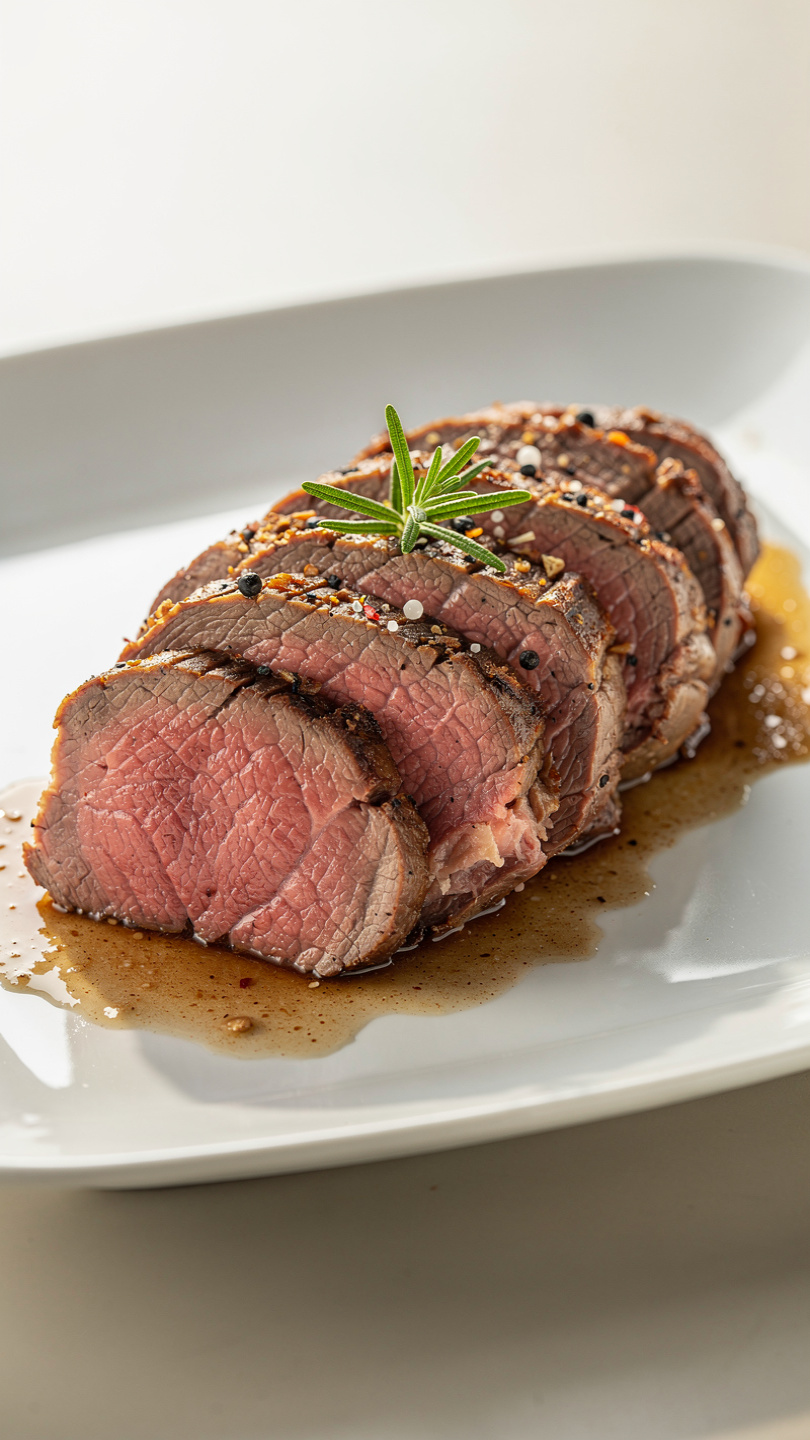
The Best Ever Juicy Beef Tenderloin (Easy Oven or Cast Iron Method)
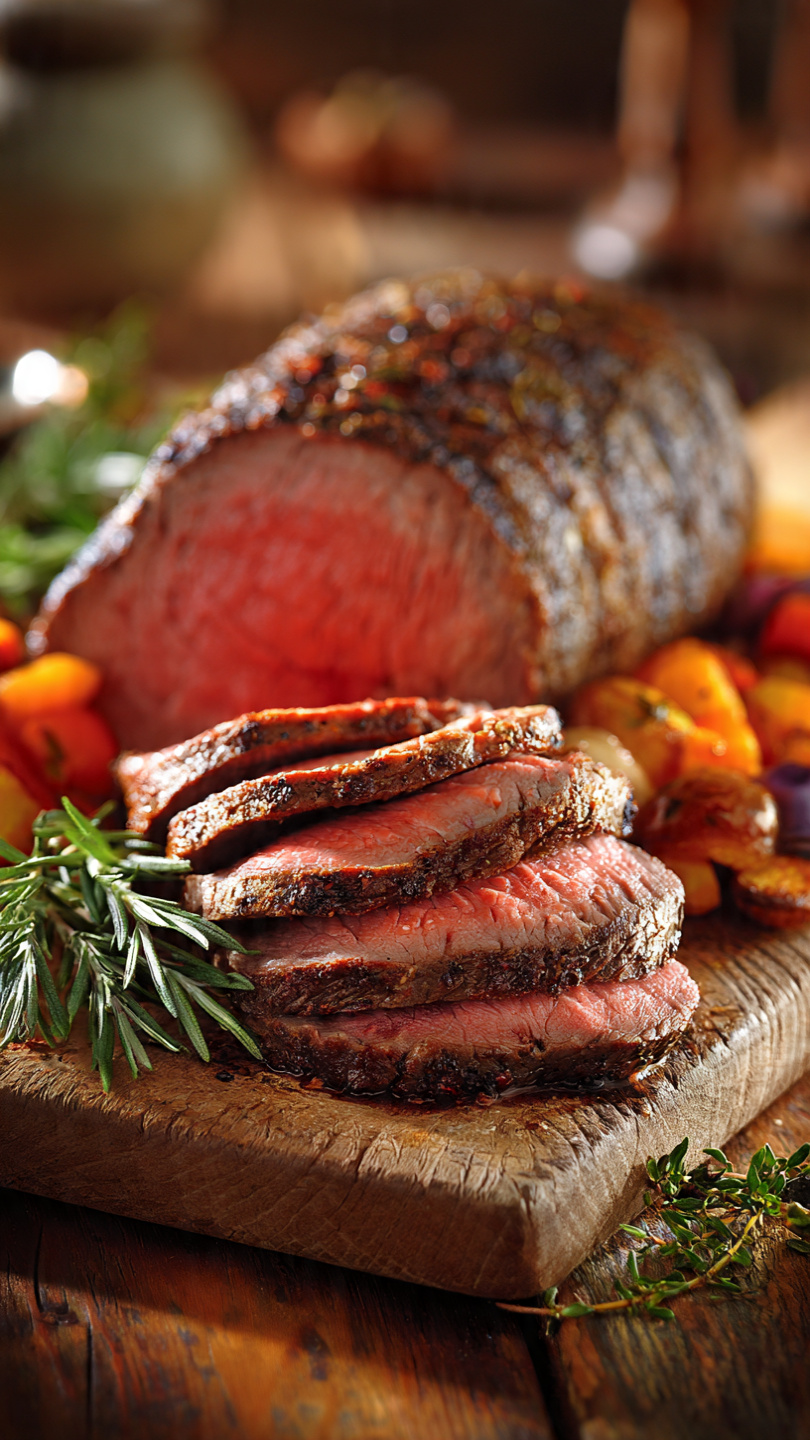
This juicy beef tenderloin recipe delivers a perfectly seared, buttery crust with a rosy, melt-in-your-mouth center every single time. Whether you use the oven or a cast iron skillet, this easy beef tenderloin dinner is foolproof and stunning.

The Only Beef Tenderloin Recipe You Will Ever Need
There is a reason beef tenderloin is the centerpiece of celebrations, holiday tables, and the kind of dinners that people talk about for years. It is the most tender cut on the entire animal, with a buttery, almost silky texture that nothing else can match. And yet, for all its elegance, it is one of the most surprisingly approachable roasts you can cook at home.
Whether you are searching for an easy beef tenderloin recipe for the oven, want to try the cast iron sear-and-roast method, or are just looking for the best ever beef tenderloin to wow your guests, you are in the right place. This recipe is reliable, repeatable, and genuinely stunning on the plate.
The secret to a juicy beef tenderloin is not some complicated technique. It comes down to three things: a dry surface for a proper sear, an accurate meat thermometer, and a patient rest period after it comes out of the oven. Get those three things right, and perfection follows naturally.
Before we dive in, using the right pan and thermometer genuinely changes the outcome here. A well-seasoned cast iron skillet gives you the deepest, most even sear, and a reliable instant-read thermometer takes all the guesswork out of doneness.
Why the Cast Iron Method Works So Well
Cast iron holds heat at a level that stainless and non-stick pans simply cannot match. When that tenderloin hits the surface, you get an immediate, aggressive sear that locks in the juices and builds the kind of deep mahogany crust that makes every single bite extraordinary.
The sear-to-oven method is also incredibly forgiving. You develop the crust on the stovetop in about 10 minutes, then let the steady, dry heat of the oven bring the interior to the exact temperature you want without any hot spots or uneven cooking.
Chef's Tip: Pat your tenderloin completely dry with paper towels before seasoning. Any surface moisture will steam the meat instead of searing it, and you will lose that gorgeous crust. This single step is the most important thing you can do.
Choosing and Preparing Your Tenderloin
For this recipe, you want a center-cut beef tenderloin, sometimes labeled as "Chateaubriand" at the butcher. The center cut is the most uniform in thickness, which means it cooks evenly from end to end.
Ask your butcher to trim the silverskin and any large pockets of exterior fat. Silverskin is a tough connective tissue that does not break down during cooking and can cause the roast to curl in the pan.
A few key prep steps before you begin:
- Bring it to room temperature. Pull the tenderloin from the fridge at least 45 minutes before cooking. A cold center takes longer to cook and can leave the exterior overdone before the middle reaches your target temperature.
- Dry brine if time allows. Season the roast and leave it uncovered in the refrigerator overnight for a deeper crust and more concentrated flavor.
- Tie it if needed. If the thin tail end is floppy, fold it under and tie the roast with kitchen twine every 2 inches to create a uniform shape.
The Herb Butter Baste
One of the most rewarding moments in this whole recipe is the butter baste. Once the sear is done, you drop in cold butter, smashed garlic, rosemary, and thyme. The butter foams up immediately, soaks in the savory drippings already in the pan, and you spoon that fragrant, golden liquid over the roast continuously.
It smells incredible. It adds flavor that you simply cannot get any other way. Do not skip it.
Ready to make it? Here is the complete step-by-step recipe:
The Best Ever Juicy Beef Tenderloin (Easy Oven or Cast Iron Method)
This juicy beef tenderloin recipe delivers a perfectly seared, buttery crust with a rosy, melt-in-your-mouth center every single time. Whether you use the oven or a cast iron skillet, this easy beef tenderloin dinner is foolproof and stunning.
Ingredients
- 3 lb beef tenderloin roast, center-cut, trimmed of silverskin and excess fat
- 2 tsp kosher salt, or more to taste
- 1 1/2 tsp black pepper, freshly cracked
- 1 tsp garlic powder
- 1/2 tsp smoked paprika
- 2 tbsp olive oil, extra virgin
- 4 tbsp unsalted butter, divided
- 5 garlic cloves, smashed, skin on
- 3 fresh rosemary sprigs
- 4 fresh thyme sprigs
- 1 tbsp Dijon mustard, optional, for a flavor-forward crust
Instruction
Remove the beef tenderloin from the refrigerator at least 45 minutes before cooking to bring it to room temperature. Pat it completely dry with paper towels.
Preheat your oven to 425 degrees F (220 degrees C). If using a cast iron skillet, place it in the oven while it preheats.
In a small bowl, combine the kosher salt, cracked black pepper, garlic powder, and smoked paprika. If using Dijon mustard, rub it evenly over the entire surface of the tenderloin first, then press the spice mixture firmly onto all sides to form a crust.
Heat 2 tablespoons of olive oil in a large oven-safe cast iron skillet or heavy-bottomed pan over high heat until the oil just begins to smoke.
Add the tenderloin to the pan and sear undisturbed for 2 to 3 minutes per side, turning to brown all four sides. You are looking for a deep, mahogany crust on every surface. This should take about 10 minutes total.
Reduce the heat to medium. Add 2 tablespoons of butter, the smashed garlic cloves, rosemary, and thyme to the pan. As the butter melts, tilt the pan and use a spoon to baste the tenderloin continuously with the herb butter for about 1 minute.
Transfer the entire skillet to the preheated oven. Roast for 20 to 25 minutes, or until an instant-read thermometer inserted into the thickest part reads 125 degrees F (52 degrees C) for medium-rare or 130 degrees F (54 degrees C) for medium.
Remove the skillet from the oven. Add the remaining 2 tablespoons of butter to the pan and baste the roast once more as the butter melts.
Transfer the tenderloin to a cutting board and tent it loosely with foil. Let it rest for at least 10 to 15 minutes before slicing. Do not skip the rest period.
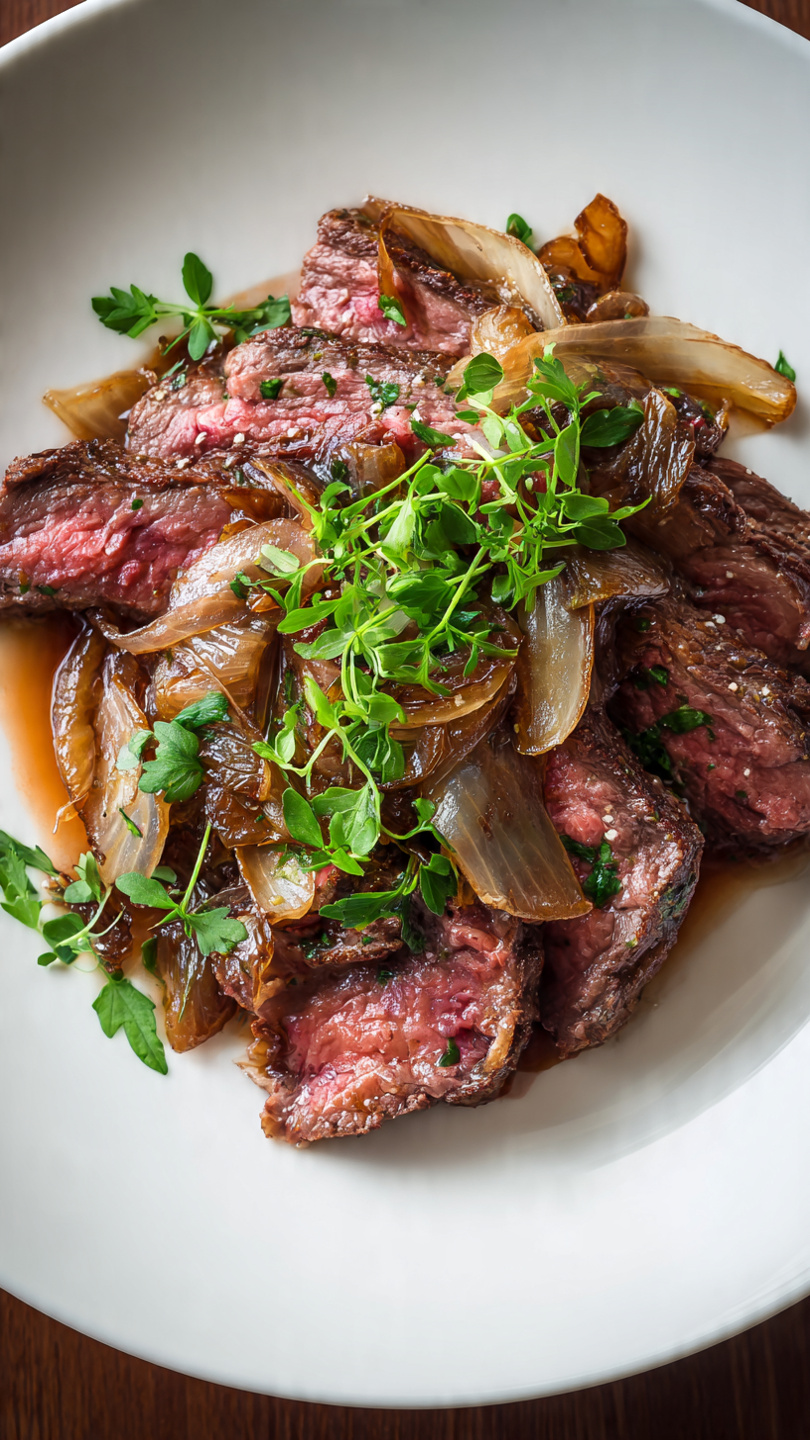
Slice into medallions approximately 1 inch thick and serve immediately with the pan drippings spooned over the top.
Equipment
- 12-inch cast iron skillet
- Instant-read meat thermometer
- Cutting board
- Tongs
- Aluminum foil
- Small mixing bowl
- Basting spoon
Notes
Serving, Storing, and Variations
To serve: Slice the rested tenderloin into thick medallions about 1 inch wide and arrange them on a warm platter. Spoon the pan drippings over the top and finish with a sprinkle of flaky sea salt. Pair with roasted garlic mashed potatoes, creamed spinach, or a simple arugula salad.
For leftovers: Store sliced tenderloin in an airtight container for up to 3 days. Reheat gently in a low oven covered with foil and a splash of broth. Cold slices also make an exceptional steak sandwich the next day.
Venison variation: This same simple cast iron method works beautifully with venison tenderloin. Because venison is leaner, reduce the oven time slightly and pull it at 120 degrees F for a tender, gamey-free result.
Make It a Menu: Pair this easy beef tenderloin dinner with a classic red wine pan sauce built right from the drippings left in the cast iron. Add a splash of red wine, a little beef stock, and a final knob of butter for a sauce that takes only 5 minutes and elevates the whole plate.